
Key Considerations When Drafting a Lease Agreement
Key Considerations When Drafting a Lease Agreement
Drafting a lease agreement might seem straightforward, but it’s a vital document that can save both landlords and tenants from future headaches. A well-constructed lease not only clarifies expectations but also protects legal rights. Whether you’re a seasoned landlord or a first-time renter, understanding key elements of a lease is essential.
Understanding Lease Types
Before diving into the specifics of drafting, it’s crucial to know the different types of leases. Residential leases differ from commercial ones, each with its own set of rules and nuances. For instance, a residential lease often focuses on tenant rights, while a commercial lease may emphasize business operations and responsibilities.
Consider a situation where a small business owner signs a long-term lease without fully understanding the implications. They might find themselves locked into unfavorable terms. Thus, knowing which type of lease you’re working with shapes the entire drafting process.
Essential Terms to Include
Every lease should contain specific essential terms. These include the rental amount, duration, security deposit, and maintenance responsibilities. Clarity is key. Ambiguous language can lead to disputes down the line. For example, if a lease states that maintenance is the tenant’s responsibility but doesn’t specify what that entails, confusion can arise.
Additionally, including clauses about property use can prevent misunderstandings. For instance, if pets are allowed, specify any restrictions or additional fees. If you’re unsure about drafting these terms, resources like https://westvirginiaformspdf.com/free-lease-agreement/ can provide templates to ensure you cover all bases.
Legal Compliance
Every lease must adhere to local laws and regulations. This is where many landlords falter. They may use generic templates without understanding the local legal landscape. For instance, in some areas, there are strict rules regarding security deposits, including how much can be charged and when it must be returned.
Failing to comply with these regulations can lead to costly legal disputes. A landlord in New York City learned this the hard way when they were fined for not providing a legally required notice about tenant rights. Always consult local laws or a legal expert when drafting your lease.
Termination Clauses
What happens when a lease ends? This is often overlooked. Clearly outlining termination clauses can save both parties stress and confusion. Will tenants be able to renew? What notice period is required for either party to end the lease? These are critical questions.
For example, a tenant who assumes they can leave with 30 days’ notice may be shocked to find a 60-day requirement in their lease. Transparency about these terms keeps everyone on the same page.
Dispute Resolution
No one wants to think about disputes, but they happen. Including a dispute resolution clause in your lease can help manage conflicts without escalating to legal battles. Mediation or arbitration can be effective ways to resolve disagreements while saving time and money.
Imagine a scenario where a landlord and tenant disagree about property damage. If the lease outlines a clear mediation process, they can resolve it amicably. Without such a clause, one party might feel compelled to take legal action, which can be draining and costly.
Flexibility and Future Changes
Life can be unpredictable. A good lease recognizes that and allows for some flexibility. Consider including terms for potential changes, like subletting or alterations to the property. This is especially relevant in residential leases where tenants might need to relocate for work or personal reasons.
For example, a tenant who gets a job offer in another city might want to sublet their apartment instead of breaking the lease. If the lease has a clear subletting policy, it creates room for negotiation and understanding.
The Importance of Clarity and Detail
The final key consideration is clarity. A lease should be straightforward and detailed. Avoid jargon or overly complicated language. It’s essential that both parties fully understand their obligations and rights. A clear lease reduces the likelihood of misunderstandings and disputes.
Imagine a lease peppered with legalese. Tenants might sign without truly comprehending the terms, leading to resentment later. Keep it simple, and both parties will appreciate the transparency.
In summary, drafting a lease agreement requires careful consideration of numerous factors. From understanding different lease types to ensuring legal compliance, each aspect plays a crucial role in creating a solid foundation for the landlord-tenant relationship. By prioritizing clarity and detail, you can craft a lease that meets everyone’s needs and minimizes future conflicts.
![Najcięższy bagaż nie mieści się w plecaku. Ten film trzeba zobaczyć! [VIDEO]](https://konto.p24.pl/uploads/post-thumbs/4C5TvtiWIp.jpg)
![SOLINA: Wodniacy z Podkarpacia w akcji! Doskonalili umiejętności na nowym sprzęcie [VIDEO, ZDJĘCIA]](https://konto.p24.pl/uploads/post-thumbs/L0epgDrtoK.jpg)
![SANOK: Pożar piwnicy bloku przy ul. Cegielnianej. Ewakuowano mieszkańców! [VIDEO, ZDJĘCIA]](https://konto.p24.pl/uploads/post-thumbs/w4Jh7p5kgK.jpg)
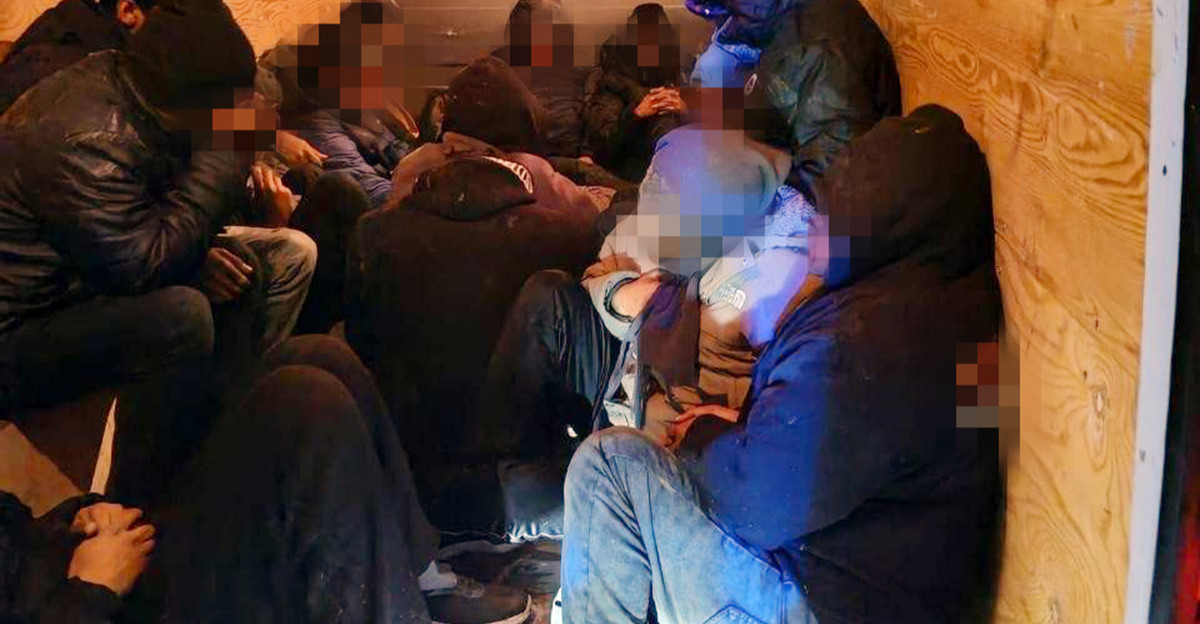
![Grupa przestępcza zajmująca się nielegalną migracją rozbita przez BiOSG i Policję [VIDEO]](https://konto.p24.pl/uploads/post-thumbs/y9G1puxHIF.jpg)
![SANOK: Nowy mural Arkadiusza Andrejkowa. Prace na finiszu [ZDJĘCIA]](https://konto.p24.pl/uploads/post-thumbs/sHa1M54KmU.jpg)
![Pucharowe derby dla Sanoka! Półkoszek bohaterem rzutów karnych [VIDEO, ZDJĘCIA]](https://konto.p24.pl/uploads/post-thumbs/)
![StreetShop ProUnikat wraca do Sanoka. Ponowne otwarcie na ul. Grzegorza 2 [VIDEO]](https://konto.p24.pl/uploads/post-thumbs/viMcwkDYmV.jpg)







![Sanoczanin na podium Pucharu Europy. Daniel Wosachło wicemistrzem w Warszawie [ZDJĘCIA]](https://konto.p24.pl/uploads/post-thumbs/HjkJ6nAhSv.jpg)


![Wielki powrót w finale! UKS Niedźwiadki MOSiR Sanok mistrzem Polski U16! [ZDJĘCIA]](https://konto.p24.pl/uploads/post-thumbs/i7QZdxTc0z.jpg)
![Taniec, technologia i przyszłość kultury. Sanok miejscem ogólnopolskiej konferencji z udziałem gwiazd telewizji! [VIDEO]](https://konto.p24.pl/uploads/post-thumbs/AdqjUWiMIv.jpg)

![Świąteczne przesłanie z sanockiej Fary o nadziei i jedności ponad podziałami [VIDEO]](https://konto.p24.pl/uploads/post-thumbs/YmhVZMx6Nf.jpg)
![„Dumnie patrzymy w przyszłość, pamiętamy o przeszłości”. Ślubowanie nowych funkcjonariuszy BiOSG [VIDEO]](https://konto.p24.pl/uploads/post-thumbs/XBhbetqVaK.jpg)